
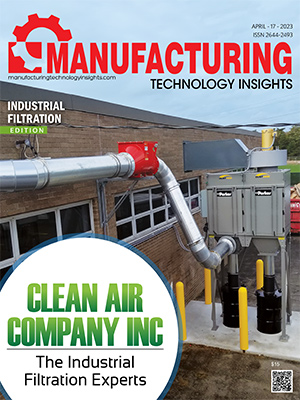

Industrial filtration is an essential process that helps remove impurities and contaminants from liquids and gases used in various industries, such as chemical, pharmaceuticals, and food and beverage. As the global demand for high-quality products and sustainable manufacturing processes increases, the industrial filtration industry is also evolving.
Automation and digitalization are revolutionizing the industrial filtration industry. Manufacturers are increasingly using automation to improve the efficiency, quality, and safety of their filtration systems. With the help of sensors and monitoring systems, automated filtration systems can adjust to changes in operating conditions, reduce maintenance costs, and optimize filtration performance. The integration of digitalization also allows for the real-time monitoring and analysis of filtration data, enabling manufacturers to identify potential problems before they occur.
Sustainability is a growing concern in many industries, including industrial filtration. The industry is increasingly focused on reducing waste, conserving energy, and minimizing the environmental impact of filtration processes. To achieve this, manufacturers are exploring the use of biodegradable filter materials, developing more efficient filtration technologies, and investing in renewable energy sources.
Nanofiltration is an emerging trend in industrial filtration. It is a type of filtration that uses membranes with very small pores to remove particles and ions from liquids. This technology offers several benefits over traditional filtration methods, including higher selectivity and efficiency, reduced fouling, and lower operating costs. Nanofiltration is particularly useful in industries where high-purity water is required, such as the pharmaceutical and semiconductor industries.
The industrial filtration industry is constantly evolving, driven by advances in technology, changing market demands, and growing concerns about sustainability. Automation and digitalization, sustainability, nanofiltration, hybrid filtration, and mobile filtration are just a few examples of the current trends in industrial filtration. As the industry continues to evolve, it is likely that new trends will emerge, offering new opportunities for innovation and growth.